Dental Crowns in Oxnard CA for Smile Makeovers
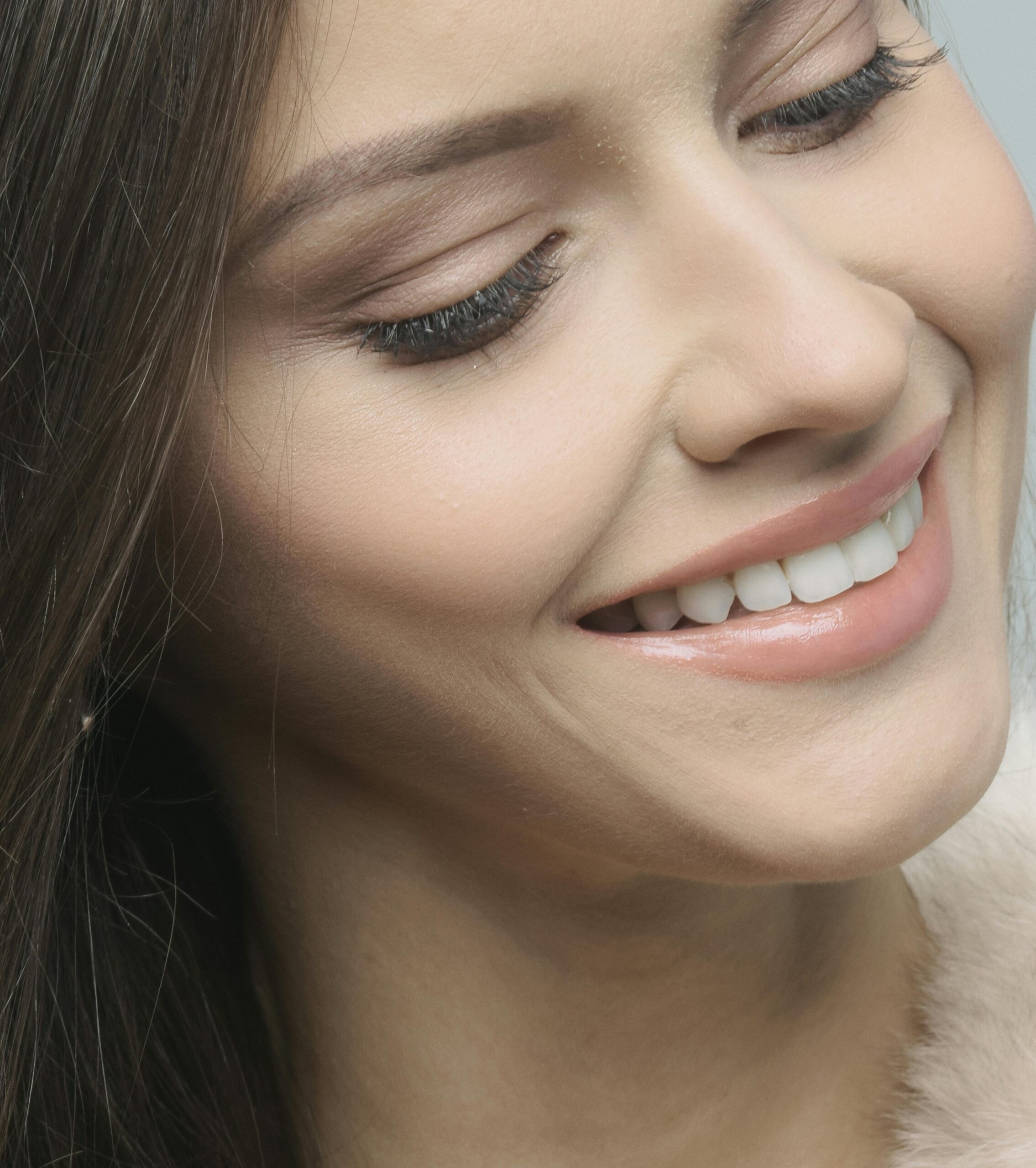

A smile makeover is rarely about vanity alone. In practice, it usually starts with something more practical: a front tooth that chipped during lunch, an old filling that darkened and weakened the tooth around it, a molar that cracked after years of grinding, or a smile that simply looks uneven in photos and in person. Dental crowns often become part of that conversation because they solve two problems at once. They restore structure and they reshape appearance.
For patients exploring Dental Crowns Oxnard CA, the key question is not just whether a crown can cover a damaged tooth. It is whether the crown can help the smile look believable, balanced, and healthy without calling attention to itself. The best cosmetic dentistry tends to disappear into the face. It should look like the patient, only stronger, cleaner, and more harmonious.
That is where judgment matters. A crown is not a generic cap. It is a custom restoration that has to fit the bite, the gumline, the neighboring teeth, the lip line, and the way a person talks and smiles. In a smile makeover, that level of detail makes the difference between a tooth that merely looks improved and one that looks natural for years.
Where crowns fit in a smile makeover
Smile makeovers can involve whitening, bonding, veneers, orthodontic movement, gum reshaping, implants, or crowns. Crowns come into play when a tooth needs more than surface-level cosmetic improvement. If a tooth has lost significant structure, has a large failing filling, has had root canal treatment, or is cracked and vulnerable, a veneer may be too conservative and bonding may not last well enough. A crown offers full coverage and support.
That does not mean every imperfect tooth needs one. In fact, one of the most important parts of treatment planning is knowing when not to recommend a crown. A lightly discolored tooth might respond beautifully to whitening or a small bonded correction. A slightly rotated tooth may be better served by orthodontic alignment. Crowns are excellent when strength and reshaping need to happen together, but they are not the answer for every cosmetic concern.
In real clinical settings, crowns are often chosen for teeth that sit in the aesthetic zone and carry structural baggage. Think of a front tooth with a large old composite filling that keeps staining around the edges. Or a premolar with a visible fracture line and sensitivity during chewing. In those cases, a crown is not a shortcut. It is the more durable path.
What a crown can change, visually and functionally
One reason Dental Crowns matter in smile design is that they allow the dentist and lab to alter several details at once. Color is the obvious one, but shape is just as powerful. A worn tooth can be lengthened. A bulky tooth can be slimmed. A misshapen side can be smoothed. Surface texture can be adjusted so the crown reflects light like a natural enamel surface rather than a flat ceramic tile.
Function is the other half of the story. If someone has been favoring one side because of discomfort, the jaw muscles often tell that story long before the tooth does. If front teeth are worn and shortened, speech sounds can subtly change. If a bite has become uneven, a new crown that looks good but hits too hard can create fresh problems within days. Cosmetic success without functional precision is short-lived.
Patients are often surprised by how small details affect the final result. The angle of a front tooth, the softness of its incisal edge, and the degree of translucency near the tip all influence whether the crown blends in. So does the contour near the gumline. A crown that is overbuilt can make the gum look puffy or trap plaque. A crown with a poor contact point may create a food trap and chronic irritation. Smile makeovers succeed when beauty and biology agree.
The materials conversation is more important than many people realize
Not all crowns are made the same, and material selection is not just a lab issue. It directly affects appearance, durability, and how much tooth reduction is needed. In visible areas, all-ceramic options are often chosen because they can mimic the way natural teeth transmit and reflect light. In heavy bite situations, strength may become the deciding factor, especially for back teeth.
Zirconia is popular for good reason. It is strong, widely used, and often appropriate for molars or for patients who grind heavily. That said, strength is not the only variable. In some front-tooth cases, layered ceramics may provide a more lifelike result because they allow nuanced characterization. The trade-off is that some highly aesthetic ceramics can be more technique-sensitive and may not be ideal for every bite pattern.
Porcelain-fused-to-metal crowns still exist and can function well, but for highly visible smile makeover cases, patients often prefer metal-free restorations if the clinical conditions allow it. Older crowns with dark margins are one of the reasons many people seek cosmetic updates in the first place. Replacing those restorations can dramatically freshen the smile, especially when the surrounding gums are healthy.
The right material choice depends on where the tooth sits, how the patient bites, whether there is a history of grinding, how much remaining tooth structure exists, and how exact the cosmetic demands are. There is no serious one-size-fits-all answer here.
When crowns are the best choice, and when they are not
The cleanest treatment plans usually come from restraint. A dentist with cosmetic experience should be willing to tell a patient that a crown is too aggressive when a simpler option would preserve more enamel.
Crowns are often a strong fit in situations like these:
- a tooth has a crack, heavy wear, or a large existing filling that weakens the remaining structure
- a tooth is discolored from within and is unlikely to respond predictably to whitening
- a root canal treated tooth needs coverage for strength and long-term protection
- a tooth is misshapen enough that bonding or veneers would not provide stable, durable correction
- an older crown looks artificial, leaks at the margin, or no longer matches adjacent teeth
On the other hand, if a tooth is fundamentally healthy and the concern is minor shape refinement or modest color improvement, a conservative approach may be smarter. Veneers, bonding, whitening, or orthodontics can often deliver excellent cosmetic results while preserving more natural tooth.
That distinction matters because once a tooth is prepared for a full crown, it has entered a different restorative path. Crowns can last many years, but they are still restorations that may need replacement over time. Good treatment planning respects the long arc of that decision.
The smile makeover process, from consultation to final cementation
The first consultation should feel less like a sales pitch and more like detective work. A skilled dentist looks at the teeth, of course, but also at the face in motion. How much tooth shows at rest? How high does the upper lip rise when smiling? Are the edges worn flat? Is one side of the smile more dominant than the other? Does the bite place excessive force on certain teeth? Those details shape the plan.
Photographs are useful because they reveal things the mirror can hide. A patient may focus on one dark tooth, while the photos show that the real issue is asymmetry in edge position or a midline that feels off. Sometimes a person asks for whiter teeth and ends up realizing that the bigger improvement will come from correcting shape and proportion.
If crowns are part of the recommended plan, preparation day usually includes reshaping the tooth, taking a digital scan or impression, choosing the shade, and placing a temporary crown. The temporary is not a trivial placeholder. In front teeth especially, it can act as a preview of length, contour, and speech. Good temporaries offer valuable feedback. Patients may notice that one edge feels too long, that an S sound catches slightly, or that a contour near the lip feels bulky. Those notes are useful before the final ceramic is delivered.
The laboratory phase is where artistry becomes tangible. The ceramist works from scans, photos, shade information, and often specific notes about surface texture, translucency, and neighboring anatomy. The best cosmetic results usually come from strong communication between the dentist and the lab, not from vague instructions to make it look nice.
At the seating appointment, fit is evaluated first. Contacts, margins, bite, and appearance are all checked before the crown is bonded or cemented. In anterior cases, subtle refinements can make a major difference. A half-millimeter change in edge contour may soften the whole smile.
Why matching a crown to natural teeth is harder than it looks
Patients sometimes assume that shade matching is the whole game. In reality, matching a crown involves color, brightness, translucency, texture, opacity, and shape. Natural teeth are not a single flat shade. They have variation from the gumline to the edge. Young enamel often looks more translucent near the tip. Worn teeth may appear more opaque. A crown that is technically the right color can still look wrong if it lacks the right internal character.
Lighting complicates matters. A tooth that looks perfect under operatory light can look too bright in daylight or too gray in restaurant lighting. This is one reason many cosmetic dentists take photos in different settings and may collaborate closely with the lab for visible teeth.
There is also the issue of neighboring teeth. If one front tooth is being crowned and the adjacent tooth has craze lines, slight rotation, and age-appropriate wear, an overly pristine crown can stand out. Sometimes the best cosmetic result is not the brightest or smoothest restoration. It is the one that quietly fits the smile that already exists.
Crowns and bite balance, the part patients do not see
A crown can look beautiful and still fail a patient if the bite is off. That failure does not always show up as a broken crown. More often it presents as jaw soreness, awareness when chewing, recurrent sensitivity, or a feeling that the tooth is somehow too high. In heavy clenchers, poor bite distribution can also shorten the life of the restoration.
This is especially relevant in smile makeovers because changing the front teeth can alter how the back teeth meet and how the front teeth guide the jaw during movement. Front teeth do not simply show when a person smiles. They also influence how the bite disengages during side-to-side and forward movements. A well-designed anterior crown can protect the rest of the dentition. A poorly designed one can create friction and wear.
Patients who grind at night may need a protective night guard after treatment. That recommendation is not a sign that the crowns are fragile. It is basic risk management. Natural teeth can fracture under parafunctional forces too. Ceramics are durable, but they are not invincible.
Aesthetic crowns in Oxnard, local factors that affect planning
For patients seeking Dental Crowns Oxnard CA, lifestyle and environment can shape practical choices. Oxnard has a mix of professionals, active families, retirees, and people who spend a lot of time outdoors. Bright natural light has a way of revealing dental work, especially in the front of the smile. That often pushes the conversation toward more nuanced aesthetic materials and careful shade selection.
Diet and habits matter too. Coffee, tea, red wine, and tobacco can affect surrounding teeth over time, which influences how a new crown will blend months and years from now. If a patient wants a significantly whiter smile overall, it often makes sense to whiten natural teeth before finalizing the shade for crowns. Ceramic does not whiten with bleach, so sequencing matters.
I have seen many cases where patients were initially focused on replacing one old crown, only to realize that a small coordinated update creates a far better result. For example, whitening the adjacent teeth first, then remaking the older crown to match the new baseline, tends to produce a cleaner and more cohesive smile than replacing the crown alone.
How long crowns last, and what shortens their lifespan
There is no honest universal number for crown longevity because outcomes vary with material, bite forces, oral hygiene, the amount of natural tooth left underneath, and whether the margins stay clean over time. Many crowns last well over a decade, and some last much longer. Others fail earlier because the tooth decays at the edge, the ceramic chips, the bite overloads the restoration, or the underlying tooth develops a new problem.
The patient’s role is larger than many expect. A technically excellent crown can be undermined by chronic grinding, missed cleanings, or heavy plaque accumulation around the gumline. Decay does not form on ceramic itself, but it can form where the crown meets the tooth. That margin deserves attention.
A few habits help crowns last longer:
- brush carefully along the gumline and floss daily so plaque does not sit at the crown margin
- use a night guard if you clench or grind, especially if you have multiple restorations
- keep routine exams so small bite issues or edge leakage are caught early
- avoid using teeth to open packages or bite hard non-food objects
- address dry mouth if it is present, since reduced saliva raises decay risk around restored teeth
These are simple measures, but they make a visible difference over time.
Cost, value, and the temptation to choose only by price
Patients are right to ask about cost. Crowns are an investment, and smile makeovers can become expensive if several teeth are involved. But choosing a crown based on price alone often backfires. The visible cost is the lab fee and chair time. The hidden cost shows up later if the shade is off, the margin irritates the gum, the bite is uncomfortable, or the restoration has to be remade early.
Value in dentistry usually comes from accuracy at the beginning. Good diagnostics, a thoughtful plan, quality materials, and skilled lab work reduce the chance of compromise. That matters even more in smile makeovers because the patient sees the result every day.
Insurance can sometimes help when the crown is medically necessary because of fracture, decay, or structural loss, but purely cosmetic upgrades are often not fully covered. Practices handle this differently, and estimates vary depending on the tooth, material, and whether related procedures are needed first. The most useful conversations about cost are the specific ones, tied to a clear treatment plan rather than broad generalities.
Questions worth asking before you commit
A patient does not need advanced dental knowledge to ask smart questions. In fact, a few focused questions can reveal a great deal about how carefully the case is being planned. Ask why a crown is recommended instead of a veneer, bonding, or orthodontic movement. Ask what material is being proposed and why it fits your bite and cosmetic goals. Ask whether whitening should happen first. Ask how the temporary crown will be used to guide the final design. Ask what happens if you grind your teeth.
These questions are not confrontational. They are practical. A clinician who works regularly on aesthetic crowns should be comfortable discussing trade-offs, not just benefits.
What a successful result actually looks like
Patients sometimes think success means a smile that looks dramatically different. Often it means the opposite. The best crown in a smile makeover is the one that does not look like a crown. It should sit comfortably in the bite, support the gum tissue, match neighboring teeth in a believable way, and fit the person’s face rather than a generic ideal.
A successful makeover also feels stable. The patient bites into a sandwich without hesitation. They stop angling their mouth away from the camera. They no longer fixate on the dark line near an old https://kylerrutn846.fotosdefrases.com/dental-crowns-oxnard-ca-for-strong-and-beautiful-teeth restoration or the edge of a cracked tooth. The smile reads as healthy before it reads as dental work.
That is what makes Dental Crowns Oxnard CA such an important topic for patients considering cosmetic treatment. Crowns are not only about repairing damage. In the right hands and in the right cases, they become a precise tool for restoring confidence, function, and balance. When they are planned conservatively and executed carefully, they can anchor a smile makeover in a way that looks natural on day one and still makes sense years later.
Oxnard Dentistry
Address: 1730 E Gonzales Rd, Oxnard, CA 93036
Phone number: +18056049999
FAQ About Dental Crowns Oxnard CA
How long do crowns last on teeth?
Dental crowns typically last 10 to 15 years, but can last 20 to 30 years with excellent oral hygiene. Lifespan depends heavily on the crown material, your daily brushing and flossing habits, and whether you clench or grind your teeth.
What is the downside of crowns on teeth?
The primary downside of dental crowns is that the preparation process is irreversible. To properly fit a crown, a dentist must permanently shave down a significant portion of your natural tooth enamel. This exposes the tooth to potential risks like nerve inflammation, increased sensitivity, and structural weakening.
Why do dentists push for crowns?
Dentists often recommend crowns to save a structurally compromised tooth. If a tooth is heavily cracked, worn down, or has a cavity too large for a filling, a filling will not provide enough structural support, causing the tooth to eventually split. Crowns act like protective helmets, preventing tooth loss.