Dental Crowns Oxnard CA for Natural Smile Enhancement
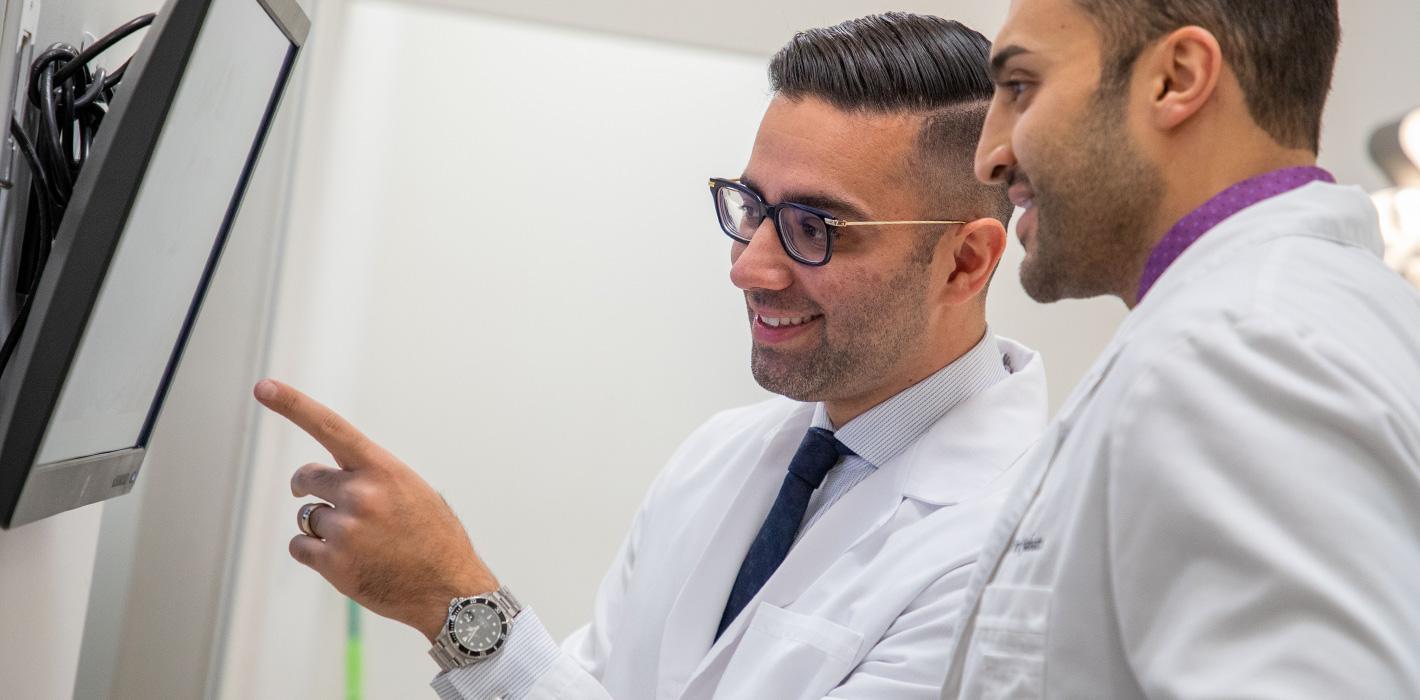

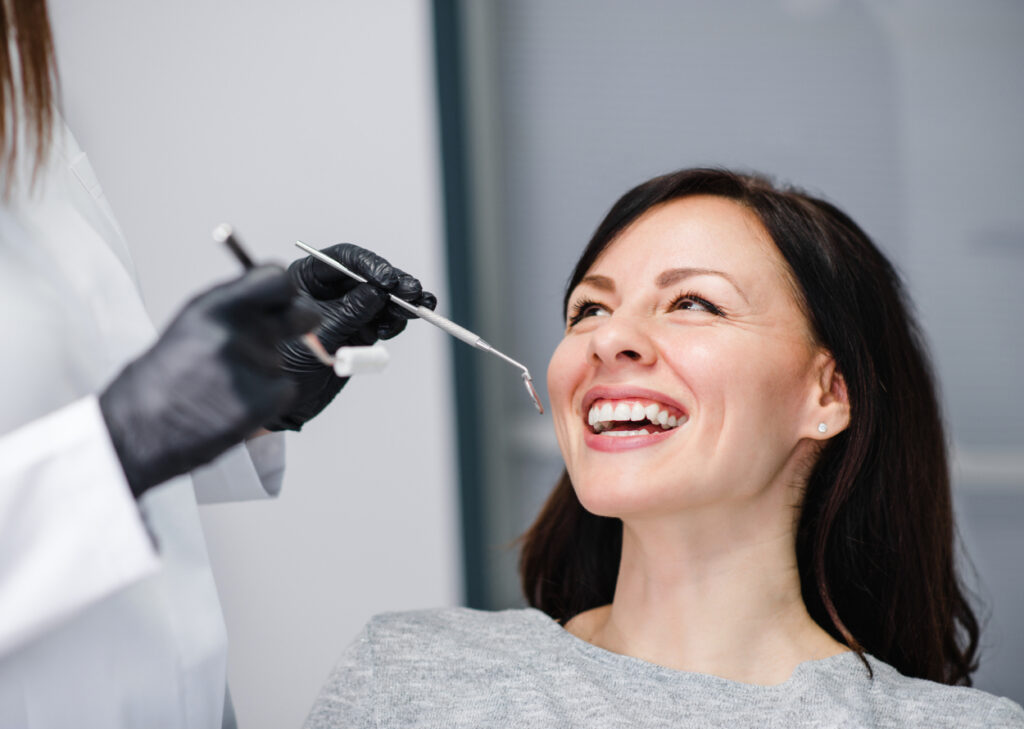
A well-made crown does far more than cover a damaged tooth. It restores shape, strength, bite balance, and just as importantly, confidence. When patients ask about natural-looking smile improvement, Dental Crowns often become part of the conversation, especially when a tooth is cracked, heavily filled, worn down, or discolored beyond what whitening can fix. In a place like Oxnard, where people want dentistry that looks refined without looking obvious, crowns sit in a practical middle ground between cosmetic change and structural repair.
The best crowns are the ones nobody notices. They do not shout for attention. They blend with neighboring teeth, handle normal chewing pressure, and feel so familiar that the patient stops thinking about them after a few days. That combination of aesthetics and function is what makes Dental Crowns Oxnard CA such a common search for people who want both health and appearance addressed in one treatment.
What a dental crown actually does
A crown is a custom-made cap that fits over a prepared tooth. That sounds simple, but the role of a crown is layered. It can protect a weak tooth from splitting, rebuild a tooth that has already fractured, cover a root canal treated tooth, support a bridge, or improve the appearance of a misshapen or deeply stained tooth. It becomes the new outer surface of the tooth above the gumline.
In practice, crowns solve problems that fillings no longer can. A small cavity usually calls for a filling. A tooth with large structural loss, multiple old restorations, visible cracking, or severe wear often needs more comprehensive reinforcement. This is where judgment matters. Dentists do not place crowns simply because a tooth looks imperfect. A good clinician weighs how much healthy tooth remains, where the tooth sits in the mouth, how hard the patient bites, whether they grind at night, and what the cosmetic expectations are.
A front tooth crown is a very different case from a molar crown. The front tooth needs subtle translucency, shape harmony, and color depth. A molar needs durable contour and bite strength. Both need precision at the margin, where the crown meets the natural tooth. If that fit is off, plaque retention, gum irritation, or decay around the edge can follow.
Why crowns matter for smile enhancement, not just repair
People often think of crowns as purely restorative, something used only after damage. That leaves out a major part of their value. Crowns can improve a smile in ways veneers or bonding may not be able to, especially when the tooth underneath is already compromised.
Imagine a patient with an upper front tooth that darkened after trauma years ago. Whitening does little because the discoloration comes from within the tooth structure. Bonding may mask some of it, but not always predictably, especially if the tooth also has a large filling and chipped edges. A carefully designed crown can restore color, symmetry, and strength at the same time. That is not cosmetic dentistry in the superficial sense. It is cosmetic improvement rooted in sound structural planning.
I have seen patients who covered their mouth when they laughed because one crown-sized problem tooth disrupted the entire smile. Once that tooth was properly restored, they often described the result not as dramatic, but as relieving. Their smile looked like their own again. That is the sweet spot. Good crown work should not make a person look like someone else. It should bring their natural proportions back into balance.
The materials behind a natural-looking crown
Material choice influences both longevity and appearance. There is no universal best option. The right material depends on the tooth, the bite, the available space, and the patient's priorities.
Porcelain and ceramic crowns are popular for visible teeth because they reflect light in a way that more closely resembles enamel. Modern all-ceramic options can look remarkably lifelike when matched well. They can also be strong enough for many back teeth, though the final decision depends on the patient's bite forces and habits.
Porcelain fused to metal crowns have been used for many years and still have a place in some cases. They can be durable, but in highly aesthetic areas they may be less ideal because the underlying metal can affect translucency, and over time a dark line near the gum may become visible in some patients if the gum recedes.
Zirconia crowns have gained attention for strength and versatility. They can work beautifully in posterior areas and, in newer formulations, in visible zones as well. Still, not every zirconia crown is equally aesthetic. The final appearance depends on the specific material, the laboratory, and the finishing details.
Gold or metal crowns remain excellent from a durability standpoint, especially for some molars, but they are chosen less often for obvious reasons tied to appearance. In a smile enhancement discussion, they usually fall out of the running unless the crown is hidden far back and the patient values longevity above all else.
Why shade matching is more complex than patients expect
Patients often ask for a tooth to be "white," but natural teeth are not one flat shade. They have subtle variation from the gumline to the edge. They also reflect surrounding light differently depending on thickness and translucency. If a crown is too opaque, it can look dull or artificial. If it is too bright, it may stand out more than a patient expects, especially next to untreated teeth.
This becomes especially important with front teeth. A crown that matches under operatory lighting but not in daylight can become a source of frustration. Experienced dentists and skilled labs account for this by looking at undertones, texture, edge translucency, and adjacent tooth character. Sometimes a patient who plans whitening should do that before crown fabrication, not after, because crowns do not respond to whitening agents the way natural teeth do.
There is also a social piece to this. Some patients want a very bright cosmetic result, while others want a restoration that nobody can identify. Neither preference is wrong, but clarity matters. When expectations are unspoken, disappointment happens even if the technical work is solid.
The process patients in Oxnard can expect
Most crown treatment takes two visits, though some offices offer same-day crowns for certain cases. The process begins with examination, imaging, and diagnosis. If the tooth is a good candidate, the dentist numbs the area, reshapes the tooth to create space for the crown, and captures an impression or digital scan. A temporary crown is then placed while the final restoration is made.
At the second visit, the temporary comes off, the fit and bite are checked, and the final crown is cemented or bonded. If the crown is on a front tooth, the appointment may include additional aesthetic evaluation before final placement.
Same-day crowns can be convenient, but they are not automatically better for every situation. For a single posterior tooth with straightforward contours, they can work very well. For highly demanding front-tooth cases where layered esthetics matter, some dentists still prefer working with a laboratory that can build in finer visual details.
A few practical points are worth knowing before treatment:
- Temporary crowns are functional but not as strong as final crowns, so sticky foods and very hard chewing should be avoided.
- Gum tissue can be slightly sore after preparation, especially if the tooth had deep decay or old restorations near the gumline.
- Bite adjustments matter. Even a crown that is microscopically high can make chewing feel strange or trigger soreness.
- The tooth may feel different for a short period, but it should not feel progressively worse after placement.
- Night grinding should be discussed early, because a protective night guard can extend the life of the restoration.
When a crown is the right choice, and when it is not
A crown can be a smart answer, but it is not always the conservative answer. For a tooth with minor cosmetic flaws and healthy structure, bonding or veneers may preserve more natural enamel. For a missing tooth, a crown alone does not solve the problem unless it is attached to an implant or part of a bridge. For active gum disease or uncontrolled decay, placing a crown before stabilizing oral health is putting the cart before the horse.
The strongest treatment plans usually come from stepping back and asking a basic question: what is this tooth likely to need over the next ten years, not just the next ten months? If a tooth has repeated breakdown, a very large existing filling, and visible fracture lines, a crown may prevent a future emergency. If a tooth has only superficial staining, crowning it may be too aggressive.
Patients are sometimes surprised when a dentist recommends waiting rather than treating immediately. That restraint is often a good sign. Not every imperfect tooth should be crowned. The right crown at the right time is excellent dentistry. An unnecessary crown is not.
Aesthetics depend on more than the crown itself
Crowns do not exist in isolation. The surrounding gumline, neighboring teeth, lip line, and bite all influence the final appearance. A beautifully crafted crown can still look wrong if the gum margin is uneven or if the adjacent tooth is worn and out of proportion.
This is especially true in smile design. If one front tooth gets a crown and the neighboring front tooth is shorter, flattened, or darker, the new restoration may stand out even if it is technically attractive. In some cases, a dentist may suggest pairing crown treatment with whitening, contouring, or minor restorative work on adjacent teeth to create a balanced result.
Gum health plays a major role too. Inflamed gums change how the margin reads visually. Healthy tissue frames the crown cleanly. Swollen tissue makes even good work look less polished. That is one reason why hygienic maintenance before and after crown treatment matters so much.
Common reasons crowns fail or need replacement
No crown lasts forever. Some last well over a decade. Others need attention sooner. The life of a crown depends on material choice, tooth condition, bite forces, oral hygiene, and luck. Dentistry is precise, but the mouth is still a harsh environment.
Crowns typically need replacement because of decay at the margin, fracture of the porcelain or underlying tooth, cement failure, chronic bite trauma, or changing gum levels that expose the edge. Sometimes the crown itself is intact but the tooth underneath develops a problem. A crown is only as reliable as the foundation supporting it.
The biggest risk factors I see repeatedly are night grinding, neglected flossing around the crown margins, and postponing treatment on small issues until they become larger ones. A patient may ignore food trapping or occasional sensitivity for months, only to find that decay has spread under an otherwise acceptable restoration.
Dental crowns and function, the part many people overlook
Smile enhancement gets attention, but function is where crowns often prove their value most clearly. If a tooth is worn short, the bite can shift. If a cracked molar hurts when chewing, a patient may favor one side and overload other teeth. If an old filling keeps breaking, the person may avoid harder foods. These are not minor quality-of-life issues.
A properly contoured crown restores chewing surfaces, contact points between teeth, and support for the bite. That means less food packing, better chewing efficiency, and often less irritation in the surrounding gum tissue. It can also help distribute force more evenly. For someone who has been living around a compromised tooth for years, the difference can be striking.
I remember a patient who came in focused entirely on one visible tooth because she disliked how it looked in photos. During the exam, it became clear that the tooth also had an old failing restoration and bite wear from years of clenching. After the crown was placed, her first comment was not about appearance. It was that chewing no longer felt tentative on that side. The cosmetic benefit mattered, but comfort won her over.
What to ask before choosing a provider in Oxnard
Searching for Dental Crowns Oxnard CA usually means the patient is comparing offices, prices, and promises. That is reasonable. A crown is an investment, and the difference between rushed work and careful work becomes very obvious over time.
Good questions tend to be practical rather than flashy. Ask what material is being recommended and why. Ask whether the office uses a lab for complex aesthetic cases. Ask what happens if the bite feels off after placement. Ask how the dentist evaluates cracks, grinding, and gum health before recommending a crown. If the tooth is in the smile zone, ask how shade selection is handled.
Price matters, but the cheapest crown can be expensive if it has to be remade or if the tooth underneath suffers. On the other hand, the highest fee does not automatically guarantee the best result. Patients should look for clear explanations, diagnostic thoroughness, and a willingness to discuss alternatives.
The role of technology, and its limits
Digital scanning, milling systems, high-resolution imaging, and modern ceramics have improved crown treatment in real ways. Scans can be more comfortable than traditional impressions. Digital workflows can improve communication between dentist and lab. Same-day fabrication can reduce the inconvenience of temporaries.
Still, technology does not replace clinical judgment. A scanner cannot decide whether a tooth should be crowned at all. A milling machine cannot compensate for poor preparation design or an unstable bite. The final result still depends on the dentist's eye, hand skills, and treatment planning.
Patients sometimes assume newer tools guarantee better outcomes. Often they help, but only when used well. A beautifully executed traditional workflow can outperform a careless digital one. The reverse is true too. The important issue is not whether a practice has technology, but whether it uses it thoughtfully.
Recovery, adaptation, and what feels normal
Most patients adapt to a permanent crown quickly. Mild tenderness when biting or some temperature sensitivity can happen briefly, especially if the tooth was heavily restored beforehand. The new surface may feel slightly different to the tongue at first, but that sensation usually fades as the brain accepts the contour as normal.
Pain that worsens, floss that shreds at the contact, food repeatedly packing between teeth, or a bite that feels high are not things to ignore. Those problems often can be corrected more easily when addressed early. A minor bite adjustment may take minutes and prevent weeks of discomfort.
There is also the emotional adjustment. Patients who have lived with a broken or unattractive tooth for a long time sometimes need a little time to accept a healthier-looking version of their smile. That is more common than people realize. Even positive change can feel unfamiliar at first.
Caring for a crown so it actually lasts
Crowns do not get cavities, but the tooth structure at the edge of the crown certainly can. Daily care remains essential. Brushing thoroughly at the gumline, cleaning between teeth, and keeping regular hygiene visits make a measurable difference. Crowns fail less often in clean, stable mouths.
For people who clench or grind, a night guard is often one of the smartest additions to treatment. Crowns are strong, but repeated heavy force can damage ceramic, stress the supporting tooth, or create soreness in the jaw. Protecting the investment is simpler than repairing preventable damage later.
A few habits are worth keeping in mind:
- Avoid using teeth as tools to open packaging or crack shells.
- Be cautious with ice chewing, hard candy, and similar high-impact habits.
- Keep follow-up visits if the crown is new and anything feels off.
- Tell your dentist if you wake with jaw tension, because that often points to grinding.
- Do not assume bleeding gums around a crown are normal, they usually signal a hygiene or fit issue that needs attention.
Crowns as part of a long-term smile plan
The most satisfying crown cases are rarely isolated decisions. They fit into a broader picture of oral health, appearance, and maintenance. A crown may be the first step in rebuilding a worn smile, or it may be the finishing touch after orthodontic movement, whitening, or implant treatment. What matters is that it supports the larger goal rather than competing with it.
For patients in Oxnard who want their smile to look natural, crowns can be remarkably effective when chosen for the right reasons. They offer shape https://raymondmyoc958.evergrovio.com/posts/how-dental-crowns-support-long-term-oral-wellness correction, color improvement, and structural renewal in one restoration. But the phrase "natural smile enhancement" deserves emphasis. Natural does not mean generic. It means tailored to the face, the bite, the gumline, and the real condition of the tooth.
That is why the best outcomes come from careful diagnosis, honest discussion, and attention to detail from start to finish. A crown should not just fill space. It should restore confidence in the simplest way possible, by making the tooth look and work as though it belonged there all along.
Oxnard Dentistry
Address: 1730 E Gonzales Rd, Oxnard, CA 93036
Phone number: +18056049999
FAQ About Dental Crowns Oxnard CA
How long do crowns last on teeth?
Dental crowns typically last 10 to 15 years, but can last 20 to 30 years with excellent oral hygiene. Lifespan depends heavily on the crown material, your daily brushing and flossing habits, and whether you clench or grind your teeth.
What is the downside of crowns on teeth?
The primary downside of dental crowns is that the preparation process is irreversible. To properly fit a crown, a dentist must permanently shave down a significant portion of your natural tooth enamel. This exposes the tooth to potential risks like nerve inflammation, increased sensitivity, and structural weakening.
Why do dentists push for crowns?
Dentists often recommend crowns to save a structurally compromised tooth. If a tooth is heavily cracked, worn down, or has a cavity too large for a filling, a filling will not provide enough structural support, causing the tooth to eventually split. Crowns act like protective helmets, preventing tooth loss.