The Complete Guide to Veneers Oxnard CA Patients Trust
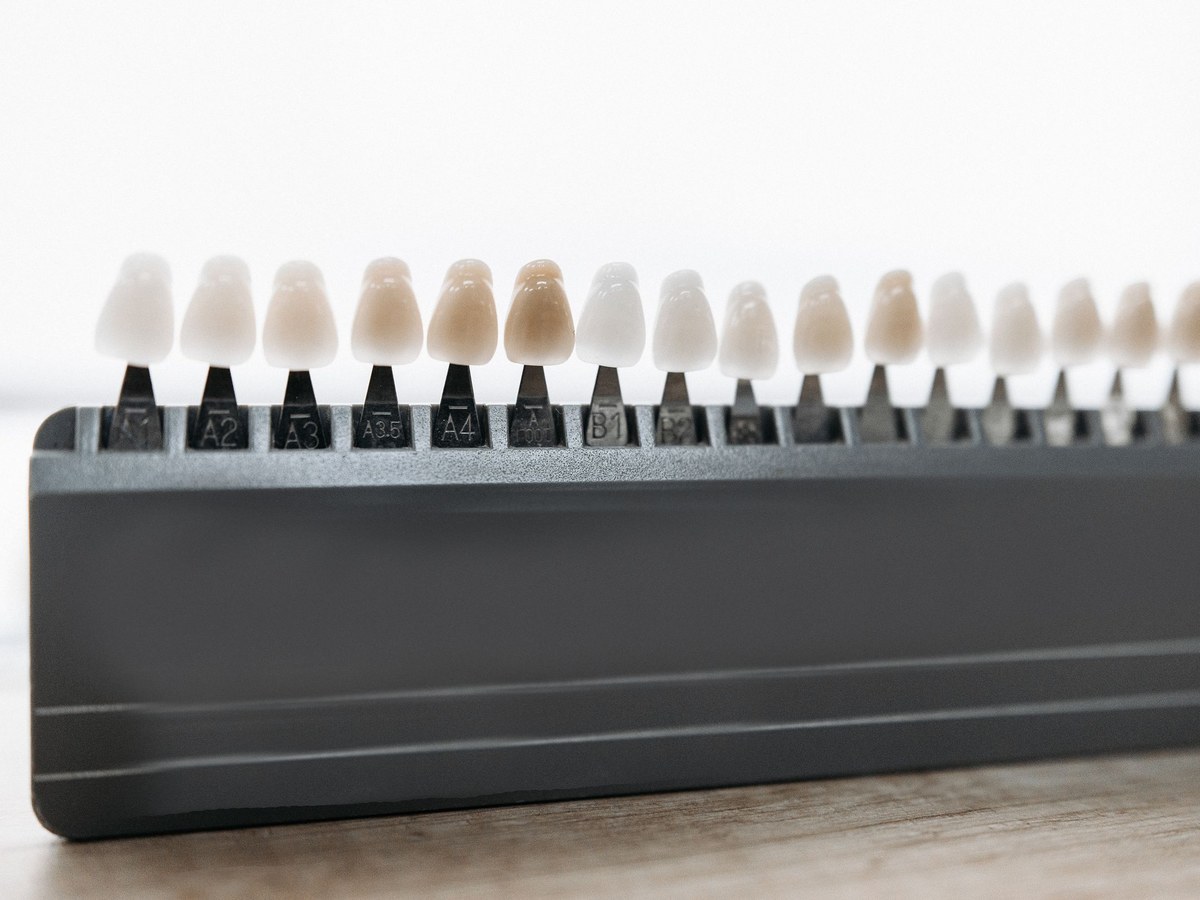
A great veneer case should look unremarkable in the best possible way. No one should meet you and think, “nice dental work.” They should notice that your smile looks bright, balanced, and healthy, then move on. That is the standard many people have in mind when they start researching cosmetic dentistry, and it is exactly why so many patients ask detailed questions before moving forward.
If you are exploring Veneers Oxnard CA options, the right decision depends on far more than shade guides and before-and-after photos. Veneers can transform teeth that are chipped, worn, stained, uneven, or slightly misaligned, but they are not a one-size-fits-all fix. Material choice matters. Bite design matters. Tooth preparation matters. So does the judgment of the dentist planning the case.
Patients often arrive with a mix of excitement and hesitation. They want a better smile, but they do not want to look overdone, damage healthy teeth unnecessarily, or commit to a treatment they do not fully understand. Those are sensible concerns. Veneers can be an excellent investment when they are chosen for the right reasons and placed with care. They can also disappoint when people rush the process or focus only on price.
This guide walks through how veneers work, who benefits most, what the treatment process usually looks like, what veneers can and cannot fix, and how to choose a provider wisely if you are searching for veneers in the Oxnard area.
What veneers actually are
Veneers are thin shells, usually made from porcelain or a composite resin material, that bond to the front surface of teeth. Their job is cosmetic, though they can provide some reinforcement to a damaged front tooth in the right situation. They are designed to change the visible shape, color, length, and overall harmony of a smile.
Porcelain veneers are the option most people picture when they think of a durable, high-end cosmetic result. They are strong, stain resistant, and capable of reflecting light in a way that mimics natural enamel. Composite veneers can be more conservative and less expensive in some cases, and they can work well for smaller improvements, but they usually do not last as long or hold their polish as well as porcelain.
A veneer is not the same as a crown. That difference matters. A crown covers the entire tooth and is often used when a tooth is heavily restored, fractured, or structurally weakened. A veneer covers only the front and sometimes a small portion of the edge. For patients with healthy teeth who want aesthetic improvement, veneers are often the more conservative route.
That said, conservative does not mean casual. Even a minimal-prep veneer case requires planning. The dentist has to consider facial symmetry, lip movement, gum levels, tooth proportions, and how the upper and lower teeth meet during speech and chewing. Veneers that look lovely in still photographs can feel bulky or chip prematurely if those details are ignored.
Why patients in Oxnard consider veneers
The reasons people look into Veneers Oxnard CA practices offer tend to be highly personal. One patient may have a single front tooth darkened after childhood trauma. Another may have worn edges from years of grinding. Someone else may simply be tired of tetracycline staining or naturally small lateral incisors that make the smile look uneven.
In a coastal community like Oxnard, where people spend time outdoors, socialize often, and appear on camera more than they realize, smile concerns can become a daily distraction. Patients rarely say they want perfection. More often, they say they want to stop hiding their teeth in photos, stop covering their mouth when they laugh, or stop fixating on one feature every time they catch their reflection.
Veneers can be especially appealing because they address multiple cosmetic concerns at once. Whitening changes color but not shape. Orthodontics moves teeth but does not repair chips or stains. Bonding can help with contour, but it may not deliver the longevity or polish some patients want. Veneers sit at the intersection of those goals, offering a broader aesthetic reset.
The problems veneers can fix, and the ones they cannot
Veneers work best when the underlying teeth are healthy enough to support them and the cosmetic issues are mainly visible on the front surfaces. They are commonly used to improve discoloration that whitening cannot fully correct, chips and small fractures, worn or flattened edges, minor spacing, slight rotations, and teeth that look too short, too narrow, or asymmetrical.
They are less ideal when someone has untreated decay, active gum disease, major bite instability, or severe crowding that really calls for orthodontics first. Veneers can visually mask a mild alignment issue, but they should not be used to force a cosmetic solution onto a complex functional problem. A skilled dentist will tell you when another treatment should come first.
There is also an important distinction between “can be done” and “should be done.” Technically, veneers can create a dramatically whiter, fuller smile. Whether that result suits the person’s face is another matter. In practice, the most successful cases are usually the ones that respect age, skin tone, lip line, and natural tooth anatomy. A 22-year-old influencer, a 45-year-old executive, and a 68-year-old retiree may all want a brighter smile, but the design goals are rarely identical.
Who tends to be a strong candidate
Good candidates generally have healthy gums, manageable bite forces, and realistic expectations. They understand that veneers improve appearance but still require maintenance. They are also open to recommendations that may feel less glamorous, such as wearing a night guard or completing gum treatment before cosmetic work starts.
The patients who tend to do best are not always the ones asking for the most dramatic change. They are the ones willing to slow down, preview the proposed design, and discuss details such as edge length, translucency, and whether they want a smile that reads “polished” Veneers Oxnard CA or “completely transformed.”
A few signs usually point to a healthier veneer decision:
- You dislike multiple cosmetic aspects of the same teeth, such as color, shape, and chips.
- Whitening alone has not given you the improvement you want.
- Your teeth are mostly healthy, with no major untreated disease.
- You want a stable long-term cosmetic solution and accept the maintenance involved.
- You are choosing veneers for yourself, not because someone else pressured you.
That last point deserves more attention than it usually gets. Cosmetic treatment tends to be most satisfying when the motivation is internal and specific. “I want my smile to match how energetic I feel” is a stronger reason than “I think I should upgrade my smile because everyone online has perfect teeth.”
Porcelain versus composite, what changes in real life
This is one of the most common conversations during veneer consultations, and it should be a practical one, not just a budget discussion.
Porcelain veneers usually offer the best combination of aesthetics and longevity. They are fabricated in a lab, often with remarkable detail in texture and translucency. They resist staining from coffee, tea, and red wine better than composite. With good care, they can last well over a decade, and sometimes longer, though no restoration lasts forever.
Composite veneers, often placed directly by the dentist in a single visit or over fewer appointments, can be a thoughtful option in certain cases. They can preserve more tooth structure, cost less upfront, and allow easier same-day adjustments. For a patient repairing one chipped front tooth or closing a small gap conservatively, composite may be a very reasonable choice.
Where composite tends to lose ground is over time. It can stain, wear, and dull more quickly. It may also require more maintenance and occasional refinishing or repair. None of that makes it inferior across the board. It simply makes it different. A patient looking for the most refined, stable smile makeover often lands on porcelain. A patient wanting a modest enhancement with a lower initial investment may prefer composite.
The treatment process, from first consult to final polish
Most veneer cases unfold over several stages. If a practice promises a complex smile transformation with almost no planning, that should prompt questions.
The process usually starts with a consultation that covers medical and dental history, photographs, X-rays if needed, and a conversation about goals. The dentist should ask what bothers you, but also what you like about your smile. That second question matters. If you love the youthful shape of your teeth or the slight softness of your smile line, those clues help preserve what already works.
Records and planning come next. Many dentists use digital scans, mock-ups, or wax-ups to preview the proposed result. This is where thoughtful design becomes visible. You can discuss whether the central incisors should be slightly longer, whether the canines should appear softer or more defined, and how white is too white for your face and age.
Preparation day varies by case. Some patients need minimal enamel reduction, while others need a bit more contouring to avoid bulky results. Temporary veneers are often placed while the final porcelain is being fabricated. Good temporaries are more important than many patients realize. They let you test speech, edge length, and overall feel in daily life.
At the final appointment, the dentist tries in the veneers, checks fit and aesthetics, and bonds them carefully. Bonding is technique-sensitive work. Moisture control, surface preparation, bite adjustment, and finishing all affect long-term success. The final Veneers Oxnard CA polish and edge refinement are not cosmetic afterthoughts. They influence comfort, flossing ease, and how naturally the veneers blend with neighboring teeth.
What “natural-looking” really means
Patients often request a natural smile, but that phrase can mean different things. For one person, it means no one can tell any treatment was done. For another, it means a clean, bright, camera-ready look that still avoids the opaque, square “piano key” effect people fear.
Natural-looking veneers usually share a few traits. They suit the patient’s face rather than dominating it. They have subtle variation instead of one flat block of color. Their surface texture catches light softly. Their edges do not look unnaturally thick. Most important, they work in motion. Teeth should look believable not only in a studio photo, but also while laughing, speaking, and turning the head in ordinary light.
This is where the artistic side of dentistry shows up. Two smiles can be technically correct and still feel very different. One might read young, lively, and bright. Another might feel elegant and understated. Neither is automatically better. The best result is the one that fits the person wearing it.
How many veneers do you really need?
Not everyone needs eight or ten veneers. Sometimes a patient can reach their goal with two, four, or six. Sometimes a full upper cosmetic zone is the better choice because matching one or two veneers to heavily worn or discolored neighboring teeth can be difficult.
A conservative dentist will talk honestly about this balance. Fewer veneers preserve more natural tooth structure and lower cost, but they can limit symmetry or shade control. More veneers create a more uniform result, but they also increase treatment scope. There is no universal magic number.
One common real-world scenario involves a patient who wants to fix just the two front teeth but has visible wear and mismatched color on the adjacent teeth. On paper, two veneers sound conservative. In the mirror, the patient may end up noticing the contrast every day. In that situation, expanding treatment can actually create the more harmonious and satisfying result.
Costs, value, and why prices vary so much
Cosmetic dentistry fees vary widely, and veneers are no exception. Patients shopping for Veneers Oxnard CA services will likely notice that one office may quote a very different number than another. That difference is not always about one office being overpriced or another offering a bargain. Often, it reflects major differences in planning time, materials, lab quality, temporary design, dentist experience, and case complexity.
A veneer is not a commodity. The fee includes diagnostic work, preparation, provisional restorations, the ceramist’s craftsmanship, bonding protocols, follow-up adjustments, and sometimes warranty or maintenance considerations. A low quote may omit some of those elements, or it may reflect a simpler material choice. It is worth asking exactly what is included.
Insurance usually does not cover veneers when the purpose is primarily cosmetic. Patients should be prepared for out-of-pocket costs, though some related restorative needs might be handled differently depending on the situation and the plan. Financing options are common, and for some people that makes treatment more manageable.
Value should be measured over time, not just at the first appointment. A veneer case that looks right, feels comfortable, and holds up for many years often proves less costly than a cheaper case that needs repeated repairs, replacements, or aesthetic revisions.
The risks patients should understand upfront
Veneers have a strong track record, but they are still elective dental treatment, and every elective treatment deserves a clear-eyed conversation about downside.
Teeth can feel sensitive after preparation. Veneers can chip, debond, or wear. Gum tissue can react poorly if margins are rough or hygiene slips. Color changes in adjacent natural teeth can make older veneers stand out. Patients who grind or clench without protection place much more stress on the work. And once enamel is removed for traditional veneers, that tooth will always need some form of coverage moving forward.
These realities are not reasons to avoid veneers. They are reasons to choose carefully and maintain them well. Trouble tends to show up when the bite is not stable, the patient wants a dramatic shortcut instead of proper orthodontic or restorative work, or the treatment plan prioritizes speed over precision.
Aftercare is simpler than people expect, but not optional
Veneers do not require a complicated routine, but they do reward consistency. Patients sometimes assume porcelain is nearly indestructible and can be treated like a stronger version of natural enamel. That mindset causes avoidable problems.
Daily care comes down to common-sense habits:
- Brush gently twice a day with a non-abrasive toothpaste.
- Floss carefully around the veneers and gums every day.
- Avoid using teeth to open packaging or bite hard objects.
- Wear a night guard if you clench or grind.
- Keep regular dental cleanings and exams on schedule.
The cleanings matter for more than polish. Your dentist and hygienist are checking the health of the surrounding gums, the integrity of the margins, and any signs of stress in the bite. Veneers succeed long term when the whole mouth stays healthy.
Red flags when choosing a cosmetic dentist
The search for the right dentist often shapes the outcome more than any material choice. Marketing can make many offices look similar, so patients need a sharper filter.
Be cautious if a provider seems unwilling to discuss alternatives, pushes a large number of veneers without explaining why, or dismisses concerns about bite, gum health, or grinding. Be equally cautious of galleries that show only extreme makeovers with the same bright white shape repeated on every patient. Consistency can reflect style. It can also reflect a lack of customization.
A better consultation usually feels collaborative. The dentist listens, explains trade-offs, and shows an understanding of both beauty and biomechanics. They may even recommend waiting, whitening first, doing limited bonding, or seeing an orthodontist before committing to veneers. That restraint is often a good sign.
Ask to see examples of cases that resemble your starting point, not just the most dramatic transformations. A patient with small chips and good alignment should not judge a dentist solely by full smile makeovers. Subtle cases reveal a lot about aesthetic judgment.
Questions worth asking at the consultation
A strong consultation should leave you clearer, not more dazzled. If you are meeting with providers about Veneers Oxnard CA, pay attention to how well your questions are answered and how specific the answers sound.
You might ask how much tooth reduction your case is likely to require, whether a mock-up or temporary preview will be used, what material the dentist recommends and why, how the bite will be evaluated, and what maintenance they expect over five to ten years. Those answers reveal the difference between a sales conversation and a treatment-planning conversation.
It is also fair to ask who fabricates the porcelain work and how often the dentist does veneer cases. Cosmetic dentistry is part technical procedure, part design discipline. Repetition matters. So does collaboration with a capable dental lab.
When veneers are the wrong answer
Sometimes the best veneer consultation ends without veneers. That may feel disappointing in the moment, but it is often the mark of an ethical recommendation.
If a patient’s main complaint is crowding, clear aligners may solve the actual problem more cleanly. If the teeth are healthy and only slightly worn, bonding might be enough. If the bite is collapsing from missing back teeth, jumping straight to front veneers can create a fragile and frustrating result. If gum levels are uneven, periodontal treatment might need to come first.
The point is not that veneers are limited. It is that they work best inside a complete diagnosis. Cosmetic dentistry should not ignore function any more than restorative dentistry should ignore appearance.
What a well-done veneer case feels like years later
The most telling feedback from satisfied veneer patients is rarely “they look perfect.” It is usually something quieter. They say they forgot to feel self-conscious in photos. They smile without rehearsing. They no longer focus on the chipped edge that used to catch their eye every morning. Their teeth feel like their own again, just improved.
That is the benchmark worth aiming for if you are considering Veneers Oxnard CA professionals provide. The right case should not erase your identity. It should remove distractions, restore confidence, and fit your face so comfortably that the dentistry fades into the background.
Take your time. Look for judgment, not just technology. Ask hard questions. Favor planning over speed and customization over trend. Veneers can be a remarkable treatment when they are done for the right patient, in the right way, with a clear understanding of both the benefits and the responsibilities that come with them.
Oxnard Dentistry
1730 E Gonzales Rd, Oxnard, CA 93036, United States
+1 805-307-8731
FAQ About Veneers Oxnard CA
How long do porcelain veneers last?
Porcelain veneers can last for many years, but they can chip, loosen, or wear over time. Their lifespan depends on factors such as your bite, whether you grind your teeth, and daily care. Regular dental visits let your dentist check their condition.
Are dental veneers permanent?
Traditional veneers often require removing a small amount of enamel, so that change to the tooth is generally irreversible. Veneers can still need repair or replacement. Ask your dentist how much preparation your teeth would require.
How much do veneers cost in Oxnard?
Cost depends on the material, how many teeth you want treated, and whether you need other dental work first. Ask for a written estimate that explains the price per tooth and what is included.