What to Know About Temporary Veneers in Oxnard CA
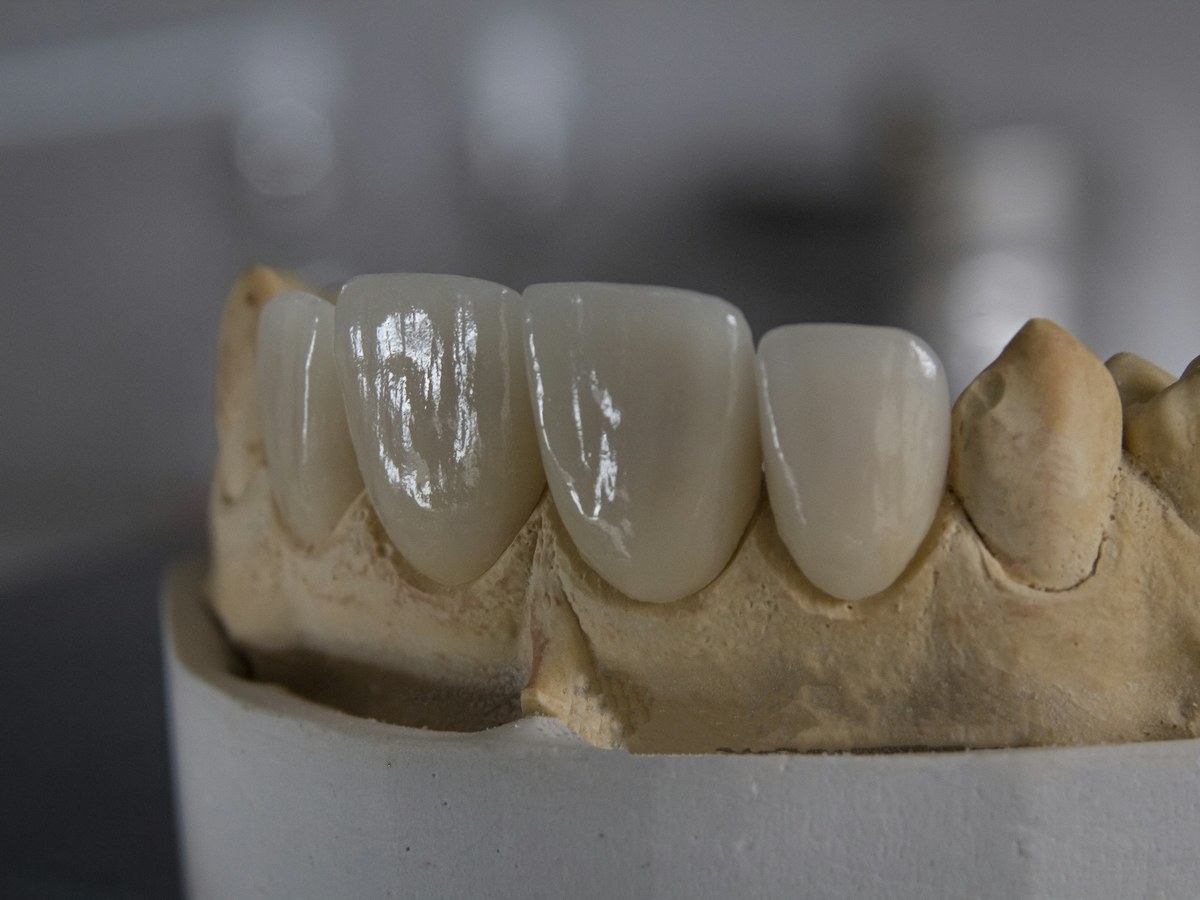
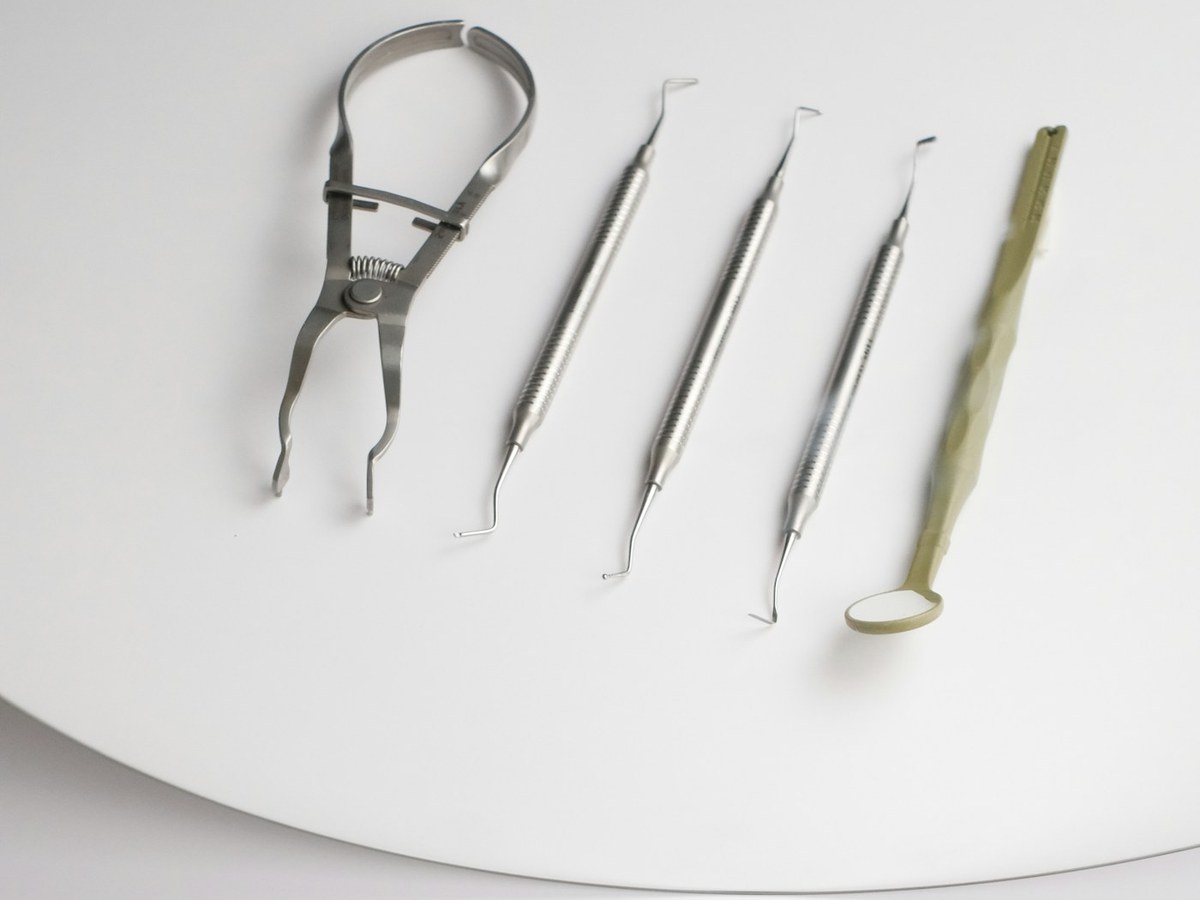
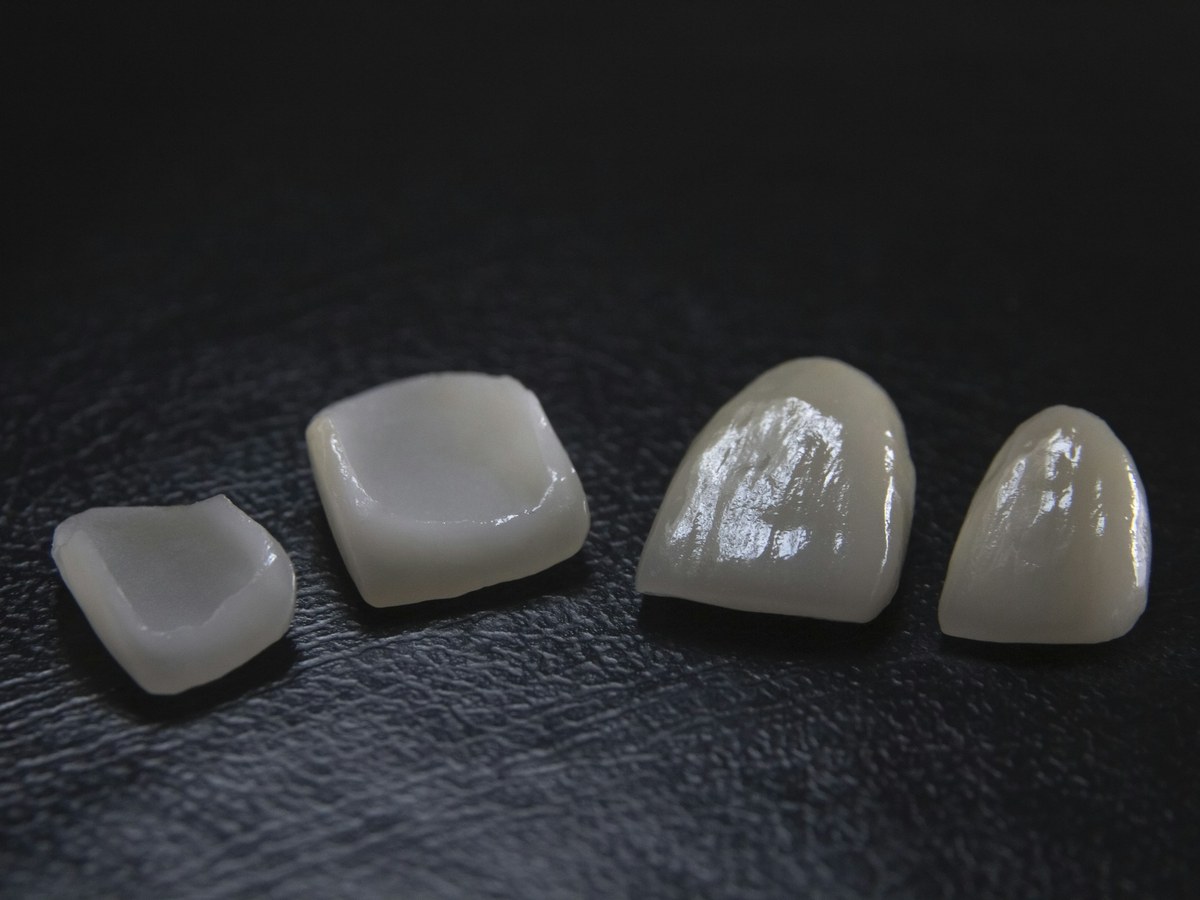
A surprising number of patients think veneers begin and end on the day the final porcelain goes on. In practice, there is an in-between stage that matters quite a bit: temporary veneers. If you are exploring cosmetic dentistry and searching for options for Veneers Oxnard CA, it helps to understand what temporary veneers do, what they do not do, and why this short phase often shapes the final result more than people expect.
Temporary veneers are not just placeholders. They protect prepared teeth, help you function while your final veneers are being made, and give both you and your dentist a chance to assess the look, feel, and bite before anything permanent is bonded. That matters because veneers sit in one of the most visible parts of the mouth. Tiny changes in length, contour, edge position, and even the way the teeth meet can affect comfort, speech, and confidence.
In a place like Oxnard, where people often want cosmetic work that looks bright but still natural in strong daylight, temporaries become especially useful. The coastal light is unforgiving. Overly opaque, overly white, or bulky veneers stand out fast. A well-managed temporary phase can help avoid that.
What temporary veneers actually are
Temporary veneers are short-term coverings placed over teeth after the dentist has prepared them for final veneers. They are usually made from an acrylic or composite-based material and are designed to stay in place while the dental lab fabricates the permanent restorations. That timeline is often about one to three weeks, though it can vary depending on the case, the lab schedule, and whether any design revisions are needed.
They do not have the same strength, polish, or stain resistance as final porcelain veneers. They are also not bonded with the same long-term cement. The material and placement method are intentionally more flexible because the goal is temporary protection and evaluation, not a decades-long finish line.
That said, good temporaries should still look presentable and feel reasonably comfortable. In many cases, especially when front teeth are involved, they should let you smile, speak, and go to work without feeling self-conscious.
Why dentists use them
Once a tooth has been prepared for a veneer, even if the reduction is conservative, it may be more sensitive to temperature and pressure. Temporary veneers cover that surface and reduce the risk of irritation. They also help maintain spacing and keep the gum tissue Veneers Oxnard CA from shifting into areas where the final veneers need to fit precisely.
There is another reason that is less obvious but just as important. Temporary veneers act as a live prototype. Patients often approve a smile design on photos, mockups, or wax models, but seeing that design in the mouth during regular life is different. You may love a shape in the dental chair and then realize three days later that a front edge catches your lip when you talk, or that one tooth looks slightly longer in every photo. Those are the sorts of details that are much easier to revise before the final veneers are cemented.
For experienced cosmetic dentists, temporaries are also a diagnostic tool. They reveal whether the planned incisal length works with your speech, whether the bite is stable, and whether the facial symmetry reads the way it should when you smile naturally rather than on command.
Not every veneer case uses temporaries in the same way
Some patients need a full set of upper front veneers. Others are treating one chipped lateral incisor or closing a small space. The temporary phase looks different depending on the scope of treatment.
If only one or two teeth are being treated, the dentist may use a more minimal temporary approach. If six to ten upper front teeth are being restored, the temporary stage becomes more central to the process because matching shape and symmetry is more complex. Patients with grinding habits, strong bites, or previous bonding can also require a more carefully managed temporary period.
No two smiles behave exactly alike. Someone with a broad smile line shows much more of the front teeth and gums than someone with a low smile line. A patient who speaks publicly for work may notice phonetic issues that would barely register for someone else. That is why the best temporary veneer plans are individualized rather than routine.
What the appointment usually feels like
Most veneer cases begin with records: photos, digital scans or impressions, shade selection, bite analysis, and a discussion about goals. On the preparation day, the dentist reshapes the front surface of the teeth as needed. The amount removed depends on the case. Conservative veneer preparation can be very slight, but enough reduction must be done to create space for the final material and avoid bulky results.
After the teeth are prepared, temporary veneers are fabricated and placed. In many offices this is done chairside using a preplanned matrix based on the intended final design. The dentist trims and polishes them, checks the bite, and makes sure your speech is acceptable before you leave.
The appointment is usually longer than patients expect, especially if several front teeth are involved. This is detail work. A rushed temporary stage tends to create problems later, either because the patient struggles during the waiting period or because the provisional design does not give useful feedback.
How temporary veneers should look and feel
Temporary veneers are not the final product, but they should not feel like an afterthought either. You should expect them to look decent in social settings, though they may be slightly less glossy and less lifelike than porcelain. They can appear a bit more matte, and they may stain more easily if you are drinking a lot of coffee, tea, or red wine during the waiting period.
They should feel secure. Mild pressure or slight awareness is common in the first day or two, especially if your tongue keeps checking the edges. Sharp pain is not normal. Severe looseness is not normal. A bite that feels significantly off, to the point that you are repeatedly hitting one tooth first, deserves a call to the office.
One of the most practical signs of a good temporary is that you stop thinking about it after a few days. Not because it is perfect, but because it is doing its job quietly.
The temporary phase is your test drive
Patients often assume they should simply “get through” the temporary stage. That is a missed opportunity. This short window is when you can evaluate details that are hard to judge any other way.
Pay attention to your smile in ordinary settings. Look at it in morning bathroom light, outside in daylight, and in photos taken by someone else. Listen to your speech, particularly sounds like “f,” “v,” “s,” and “th.” Notice whether you clench more, whether food traps somewhere new, or whether one edge feels too prominent against your lower lip.
Here are the most useful things to monitor during the temporary period:
- Comfort when biting and chewing softer foods
- Speech, especially if certain sounds suddenly feel awkward
- Symmetry and tooth length in natural photos
- Gum response, including redness or persistent irritation
- Overall confidence, whether the smile feels like you
This feedback is valuable because porcelain is not something you want to keep remaking after cementation. Smart adjustments made at the temporary stage can save a patient from years of minor regret over details that seemed too small to mention.
Temporary veneers and sensitivity
Sensitivity varies. Some patients have almost none. Others notice cold air, chilled drinks, or pressure in the first 48 hours. That is often manageable and improves quickly as the teeth settle and the temporaries seal the prepared surfaces.
Sensitivity tends to be more noticeable when multiple teeth are prepared at once, when enamel is thin to begin with, or when the patient already has a history of sensitivity. If the discomfort is increasing instead of fading, or if one tooth feels much different from the rest, that is worth checking. A temporary can occasionally leave a margin exposed or shift enough to create irritation.
A common concern is whether temporary sensitivity means the final veneers will also be sensitive. Usually, not necessarily. Well-fitting permanent veneers often feel better than temporaries because they seal more precisely and have a smoother, more stable surface.
Eating with temporary veneers
This is one area where expectations matter. Temporary veneers are functional, but they are not built for abuse. Think of them as durable enough for normal short-term use, but not as resilient as porcelain.
Most dentists recommend being selective with food during this phase. Very sticky candies, crusty bread bitten with the front teeth, tough jerky, ice, and hard nuts can all stress or dislodge temporaries. Biting directly into apples, sandwiches with thick crust, or corn on the cob can also create trouble.
A practical approach is simple:
- Cut firmer foods into smaller pieces
- Chew more with the back teeth when possible
- Avoid sticky or very hard foods
- Rinse after dark beverages if staining is a concern
- Call promptly if a temporary feels loose
Patients sometimes think, “It’s only for a week, I can be careful enough.” Then they test the front teeth with exactly the wrong snack and end up carrying a temporary veneer in a napkin. It happens more often than people realize, especially over weekends.
If one comes off, do not panic
A lost temporary veneer feels dramatic because it is visible and unexpected, but it is usually fixable. The important thing is not to try improvising with household glue. Keep the temporary if you can find it, avoid chewing on that area, and contact your dentist as soon as possible. Some offices can re-cement the same temporary. Others may need to fabricate a new one.
The urgency depends on the location and how much tooth was prepared. A front tooth that is highly visible or quite sensitive should be addressed quickly. A less visible tooth may be less of Veneers Oxnard CA an emergency, but it still should not be ignored. Exposed prepared teeth can become more sensitive, and shifting gum tissue can complicate the fit of the final veneer if the delay is long enough.
Shade expectations, and why temporaries can be misleading
This is one of the biggest points of confusion in cosmetic dentistry. Temporary veneers often do not perfectly predict the final color. They can suggest the general direction, but their material behaves differently from porcelain. It reflects light differently, picks up stains more quickly, and usually lacks the same depth and translucency.
That means a patient may look at temporary veneers and worry they are too flat or too bright, when the final restorations will look more natural. The opposite can also happen. A temporary may appear acceptable indoors but reveal shape issues or edge opacity concerns outdoors that should be discussed before final placement.
A skilled cosmetic dentist will explain where temporary appearance is meaningful and where it is not. Shape, length, and bite feedback are often highly useful. Exact texture and final optical qualities are less reliably represented by provisional material.
How long temporary veneers stay on
For many cases, the temporary period lasts around one to two weeks. More complex cases may stretch longer, particularly if the patient requests adjustments after trying the temporaries, or if the lab returns a case that needs refinement.
Longer does not always mean worse. In cosmetic work, a measured pace can be a sign of care. If a patient says, “I want these two front teeth a little softer at the corners,” or “I think the central incisors are slightly too long when I talk,” that extra round of feedback may improve the result significantly.
The trade-off is that the longer you wear temporaries, the more careful you need to be with food, staining, and oral habits.
The difference between a rough temporary and a well-made one
Patients can tell the difference even if they do not know the technical reasons. A rough temporary feels thick, chalky, or uneven. It may irritate the gums, interfere with speech, or chip at the edges. A well-made temporary feels intentional. The contours are cleaner, the bite is checked carefully, and the appearance is acceptable enough that the patient does not dread being seen.
This matters because the temporary stage colors the whole veneer experience. When patients have comfortable, stable temporaries, they tend to trust the process. When they spend ten days avoiding smiles and nursing a sore spot on the gumline, anxiety rises and every detail of the final delivery feels more stressful.
In offices that do a lot of cosmetic work, temporaries are usually treated as a serious part of the craft, not a disposable step.
Questions worth asking before you start
If you are considering Veneers Oxnard CA, it is reasonable to ask how the office handles the provisional stage. Not all practices approach it with the same level of planning. Some focus heavily on design previews, mockups, and revision protocols. Others keep the process more basic.
Ask whether you will be able to evaluate shape and length with the temporaries. Ask what foods to avoid, how to handle a loose temporary after hours, and whether you should expect any changes in speech. If you grind or clench, ask whether a night guard is recommended during the temporary phase or after the final veneers are delivered.
These are not fussy questions. They are the questions of someone who understands that cosmetic dentistry is part art, part engineering, and part day-to-day usability.
Oxnard-specific considerations patients often overlook
Living near the coast sounds unrelated to veneers until you notice how often people are outdoors here. Bright natural light exposes color and contour in a way that indoor lighting never does. That is one reason some patients in Oxnard who initially request very bright veneers later decide they want a more balanced shade. What photographs well in a ring light can look artificial at the beach, on a boat, or at a weekend soccer game.
There is also a lifestyle component. If you surf, cycle, play pickup sports, or spend long days talking with clients, your temporary veneers need to function in real life. A person who works from home and can eat carefully for ten days has a different experience than someone meeting customers face-to-face all week. This is where local, practical advice matters more than generic cosmetic dentistry marketing.
Cost questions and what affects them
Temporary veneers are usually part of the overall veneer treatment fee rather than a separate cosmetic add-on, though billing structures vary by practice. Their cost is tied to the complexity of the case, the number of teeth, the design work involved, and whether multiple rounds of adjustments are needed.
Patients sometimes underestimate how much labor goes into this stage. Even though the temporaries are not permanent, they require planning, materials, chair time, and clinical judgment. If a dentist uses them thoughtfully to refine esthetics and function, they add value rather than just expense.
It is worth remembering that veneers are not a commodity. A lower fee may reflect fewer records, less design customization, or a more limited temporary phase. Sometimes that is fine for a very simple case. Sometimes it is exactly where problems begin.
Who tends to do well with temporary veneers
Most healthy adults who are appropriate candidates for veneers do fine with temporaries. The people who struggle most are often those with untreated clenching, unrealistic cosmetic expectations, or difficulty following short-term food restrictions. Patients with existing gum inflammation may also find the temporary period less comfortable unless periodontal health is addressed first.
Someone who wants a meaningful smile change but also wants a chance to “live in” the design before committing usually appreciates temporaries. They create a buffer between plan and permanence, and that buffer can be reassuring.
When to call your dentist during the temporary stage
Some issues can wait until the next scheduled visit. Others should not. Increasing pain, significant looseness, a broken temporary in the smile zone, or bite interference that makes chewing difficult deserve attention sooner. So does persistent gum bleeding around one temporary or a noticeable bad taste that could suggest leakage or trapped debris.
Minor cosmetic concerns are still worth mentioning, even if they are not emergencies. If you feel one tooth edge is too square or a lateral incisor looks slightly tucked in, tell your dentist before the final veneers are seated. That is exactly the kind of feedback the temporary phase is meant to uncover.
The final placement often feels very different
Patients are frequently surprised by how much better the permanent veneers feel compared with the temporaries. Porcelain is smoother. The fit is more exact. The edges feel more refined, and the color has greater depth. If the temporary phase was used well, the final placement often feels like the polished version of something you already tested and approved.
That is the ideal path. You are not hoping for a miracle on delivery day. You are confirming that the final restorations express what the provisional phase already proved out.
For anyone researching Veneers Oxnard CA, temporary veneers deserve more attention than they usually get. They protect your teeth, bridge the gap between preparation and placement, and give you one of the few chances in cosmetic dentistry to evaluate the design before it becomes permanent. Done well, they make the entire process calmer, safer, and more predictable. And when the work is on your front teeth, predictability is not a luxury. It is part of the treatment.
Oxnard Dentistry
1730 E Gonzales Rd, Oxnard, CA 93036, United States
+1 805-307-8731
FAQ About Veneers Oxnard CA
How long do porcelain veneers last?
Porcelain veneers can last for many years, but they can chip, loosen, or wear over time. Their lifespan depends on factors such as your bite, whether you grind your teeth, and daily care. Regular dental visits let your dentist check their condition.
Are dental veneers permanent?
Traditional veneers often require removing a small amount of enamel, so that change to the tooth is generally irreversible. Veneers can still need repair or replacement. Ask your dentist how much preparation your teeth would require.
How much do veneers cost in Oxnard?
Cost depends on the material, how many teeth you want treated, and whether you need other dental work first. Ask for a written estimate that explains the price per tooth and what is included.